Parish Blog
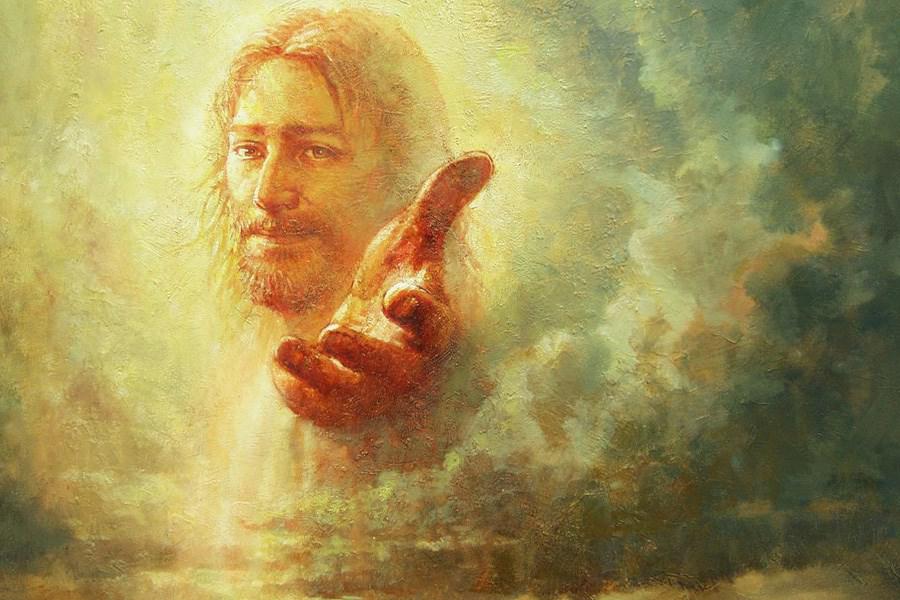
Rich in Forgiveness
09-13-2026Pastor's LetterFather WilsonDear Parishioners,
The Our Father includes two petitions that are fundamental for the life of a Christian: “Forgive us our trespasses, as we forgive those who trespass against us.” Jesus answered Peter’s question about the limits of forgiveness with a parable about two hearts: the heart of the king, representing God “rich in mercy” who forgives and forgets all our debts; and the heart of the unjust servant who chokes his debtor without an ounce of compassion.
If we do not take advantage of God’s mercy at the opportune time we risk hearing our condemnation at the final judgment, distancing us forever from Divine Love.
The first thing we must do is forgive, but up to what point? The Christian attitude is unique. It means ardently seeking reconciliation with one’s enemies. It means never holding a grudge or hoping that the other will just recognize his fault and admit how wrong he is. It means being humble and not thinking that our thoughts of justice are always on point.
This call from Jesus to live a life without seeking revenge or trying to make others pay back “all they have done to us” is truly a very demanding challenge. We need to examine our consciences today to see if we are really following this gospel teaching, especially as regards that person who it is hardest for me to get along with. Then we need to take the necessary steps to change. Do we work hard at forgiving? Do we fight against rancor?
The condition for being forgiven is being the first to forgive. This is the meaning of the Our Father: “as we forgive those who trespass against us.” When someone knows that he himself is forgiven, he in his turn is quicker to forgive. As St. Cyprian teaches: “There where you were wounded, you are now cured. Love those who you used to hate, those very ones you could not bear.”
Vengeance has no place among Christians. Our community, our family, our workplace, our friends – all of this is a natural starting place for acceptance and forgiveness. We should ask ourselves: How do we treat others? Are we building a world of vengeance or a universe of forgiveness?
We can surely relate to Peter’s question: “How often must I forgive my brother? Seven times?” But God puts no limits on his generosity: “I tell you, not just seven times, but seventy times seven times.” Neither should we put limits when the time comes to forgive our brother. The strength of the Lord will lead us to live in harmony with the way God himself has treated us. We, like Him, will strive to be “rich in mercy.”
All the best…in Christ.
BACK TO LIST